
Aging has always been an arch enemy to humans. We work hard, establish ourselves professionally, financially and have a great family to cherish but that takes 70-80 years and then we die. The primary factor involving aging also include tons of diseases and you eventually being bed ridden. Wouldn’t it be amazing to develop some techniques that can fight our aging process and we can live for much longer?
A collective study just published in Science aims to explore some new strategies which would fight against our aging process by getting down into the machinery of cells. “Age is the greatest risk factor for nearly every major cause of mortality in developed nations,” wrote Matt Kaeberlein, University of Washington professor of pathology, and his colleagues in an introduction to the studies. “Despite this, most biological research focuses on individual disease processes, without much consideration for the relationship between aging and disease.”
Here are the top areas science is making advances in fighting aging:
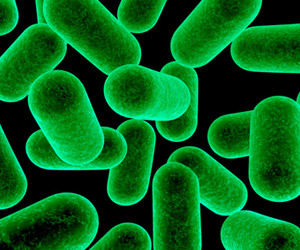
1. Gut microbes: You might be a hygiene freak and take all measures to fight bacteria at all times, but the truth is that your body is home to trillions of bacteria which are actually helpful. They help in the digestion process and other bodily functions. But as we age, the makeup of bacteria’s population changes with higher concentrations of bacteroids which are harmful when they remain in the gut but can cause infections when they infiltrate other tissues.

2. Telemores: Telomeres are cuff-like structures at the ends of chromosomes that grow shorter over the course of a lifetime, leaving the body susceptible to a range of age-related breakdowns. According to Nobel Laureate Elizabeth Blackburn of the University of California, who wrote one of the papers in the Science release.
The rate at which any one person’s telomeres burn down is from 30% to 80% determined by genetics, with the rest most heavily influenced by external variables such as diet, environmental toxins, exercise, and stress. By improving our diet and an adopting a healthy lifestyle, we can delay that process. Boosting the levels of the body’s own telomere-building enzyme, known as telomerase, may help too but that’s highly risky. We have not yet come to any solution but it for sure has given us some breakthrough on what needs to be done.
3. Stem cells: Stem cells are the little construction workers and versatile cells that have the power to rebuild organs and other systems by becoming whatever kind of specialty tissue they need to be. But as we age, stem cells lose their count and we also see a decline in their performance. Environmental factors such as toxins and poor diet can further damage stem cells as can sun exposure, in the case of the skin.

There have been some studies on how we can slow down the aging and death of stem cells. In numerous experiments, stem cells from an older organism injected into a younger one have been shown to revert to a more youthful state, and the reverse is true for young cells place in an aged body. Introducing plasma or other blood factors from younger people into older ones may work a similar rejuvenation.
4. Mitochondrial Breakdown: As we have heard right from our school days, mitochondria is the power house of the cell. It is responsible for metabolizing energy and keeping the cell alive. It even has its own DNA profile. But the engine starts to falter as we age, and that has an impact across the entire power grid that is the body.
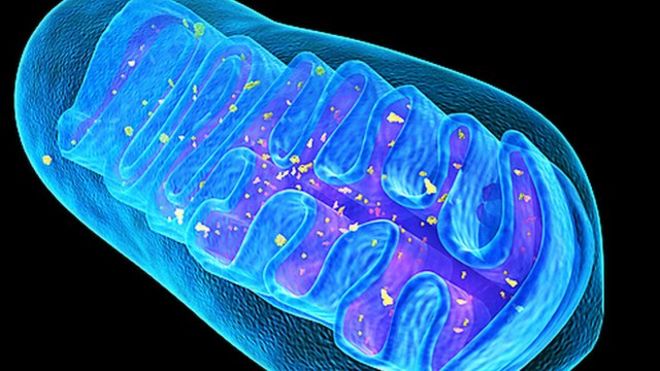
There is some good news and bad news about it. The good news is that researchers have concluded that mitochondria is responsible for aging. The bad news is that reversing that process doesn’t necessarily reverse aging.
The breakdown in the mitochondria has to do with how key proteins—which are densely packed inside the organelle—unfold as they go about their work. This process is less efficient in older organisms. Investigators working with roundworms have figured out ways to intervene in this process and improve the unfolding, but that hasn’t had an impact on the apparent age of the animal. Still, the authors of the Science paper have concluded that while mitochondrial health does not, on its own, determine aging, it all but surely plays an important role.
Source: Time
useful please make use of the comment box
EmoticonEmoticon